Community Voice Spotlight

Anne OConnor-Smith
ASMD
Tell us a bit about you and your family…
I am a 60-year-old triathlete and grandmother and the oldest of three siblings. My sister and I have ASMD and my brother is a carrier. I married Mike Smith at age 40 and so we have a blended family. We have six adult children and only three were young enough to live with us together. My daughter survived sudden Severe Aplastic Anemia (bone marrow failure) at age 18 with lots of transfusions by generous blood donors and with immunosuppressive therapy. We have nine grandchildren and several grand dogs and cats. Our fur baby is an 11-year-old dog, adopted at age 3 from my parents. My dad passed away from Parkinson’s and my mother from dementia and heart failure. Mike’s parents are almost 92 years old and live near us in Florida.
Sharing Your Diagnosis Journey
My first symptoms were stomach aches at age 6 when I had to sit in a school desk all day. Our pediatrician felt that my spleen and liver were enlarged but he didn’t think it was genetic because my brother did not have the same symptoms and we were both healthy otherwise. My sister is 9 years younger than me and when she was about 1 he noticed she also had an enlarged liver and spleen so he thought it must be genetic. We were living in Louisiana and he sent us to Texas Children’s hospital when I was 11, my brother was 9 and my sister was 2.
We were there for about 5 days and had blood tests, skin and liver biopsies, spinal taps, as well as psychological and coordination tests. At first, they thought we had Leukemia but then we were told we had Niemann-Pick Type B (per the skin biopsy) and that it was so rare that we would never meet another person with the disease.
A medical student came into my hospital room and said that my parents did not want me to know that I was going to die by age 12. I told my parents, who told the doctors, who told me that was wrong but that they did not know what would happen to me. We were told that there was no cure but that we could come back for annual testing; I refused to go back and my mother took my siblings back only one additional time.
How did you first learn about NNPDF and what led you to connect with the community?
After being traumatized by the medical student, I was very depressed and thought that I was dying until I went to college, started working out a gym, and noticed that I was as healthy or healthier than the other students. In college and once I started working as a software engineer, I did not tell anyone, even doctors, that I had ASMD and just tried to forget about it. My sister started to be concerned about it when she was having her first baby, and she encouraged me to research. Either my sister or I found the national Niemann-Pick Disease Foundation online. Back then there was an email chain through NNPDF I signed up for to stay in touch with other patients before social media.
What motivated you to get involved and stay connected with the NNPDF community?
The email chain was my first motivation as I connected with other patients. I went to my first NNPDF conference alone and the first people I met were Lisa and Jami Chavez. Their daughter Breann had passed away from Type C when she was about age 3 and they showed me her cute photos. They said that they would come to conferences to minister to the other parents. I was so impressed by them and then the other Type A, B and C parents, patients, families, staff that I met at that first conference that I came back almost every year for about 20 years so far.
In what ways has being part of the NNPDF community helped you and your family feel more supported?
I first learned about clinical trials through NNPDF and was connected to their physicians. I participated in the first one dose of enzyme replacement trial. Later I participated in an every-two-week enzyme replacement trial that required my travel from Florida to New York City for 3.5 years! I remember NNPDF helped patient families, like the Markmans, to bring us goodie care packages at Mount Sinai. Ellisa Miller-Visoky, mother of Jack with ASMD, even traveled to hold my hand during a liver biopsy when my relatives could not be there and we barely knew each other! Ellisa and I later served on the NNPDF Board together. My husband served on the NNPDF Board after me and it gave both of us the opportunity to contribute to the lasting legacy of the foundation. Also, NNPDF supported my sister and I going to Rare Disease Week on Capitol Hill where we were able to share our journeys directly to representatives to encourage them to vote in support of upcoming bills.
What is one piece of advice you would share with a newly diagnosed family to help them navigate the road ahead?
Do not let anyone try to define you or your family members’ exact amount of time left on this planet. Only our Creator knows our number of days here. Do not ignore your disease as I did when I was younger; there are more options like clinical trials and experimental medicines these days. Exercise, including physical therapy, and healthy eating are really helpful. Mental health and having fun are very important especially when living with a genetic disease. Quality of the days is more important that the number.
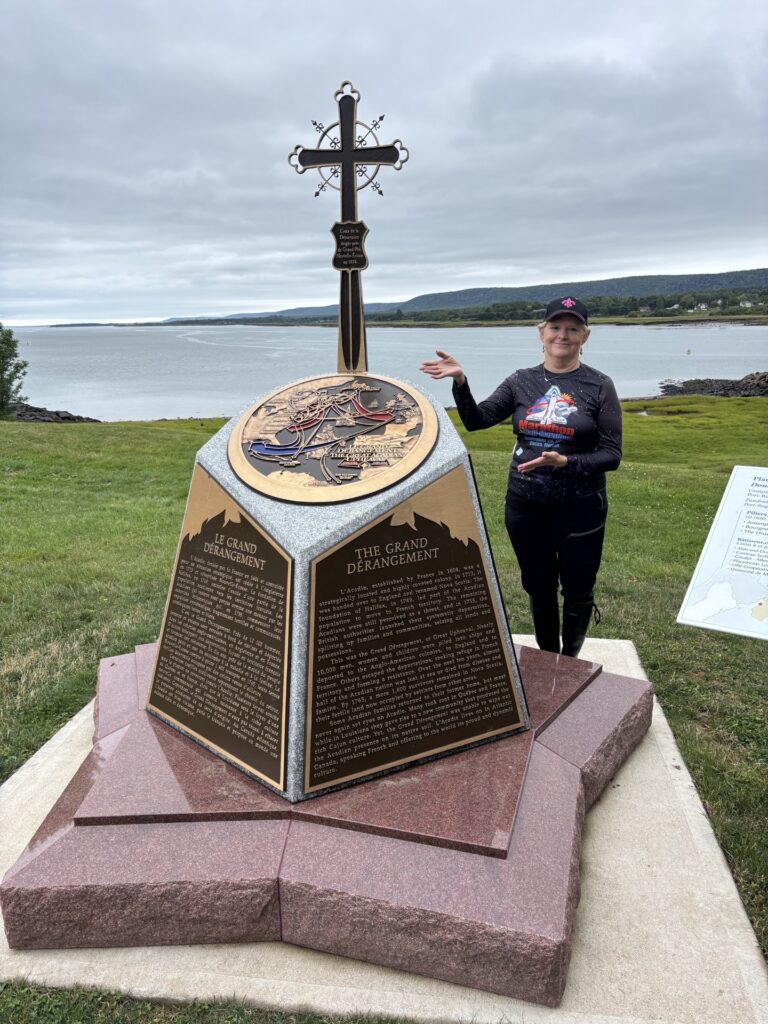
I enjoyed participating in martial arts for about 25 years. Now, travel and time in nature is very important to me. I am writing this while my husband is driving me in our RV through Canada on a tour of my Acadian ancestral lands. I was able to get my insurance to approve a vacation waiver to let me order 3 doses of enzyme to take with us and to have 3 infusions in Maine. Sharing your story and advocating for yourself or your loved one is super important.
What are your biggest hopes for the future for your family and the Niemann-Pick community?
Although I am so thankful for life saving treatments, I hope to see a cure for Types A, B and C. In my mind, it seems that gene therapy would be the cure and so I hope we can get clinical trials that focus on that. I would also like to see newborn screening approved in every state. At this year’s conference I learned that my treatment is not approved in many more countries than I realized. I hope everyone with ASMD or Type C, anywhere in the world, can access treatment.
What Treatment Looks Like Beyond the Infusion
For Anne OConnor-Smith and her husband, Mike, attending the recent NNPDF Family Support & Medical Conference in Orlando meant more than packing their bags and making travel plans. It also meant figuring out how to keep Anne’s ASMD enzyme replacement therapy on schedule while they were away from home.
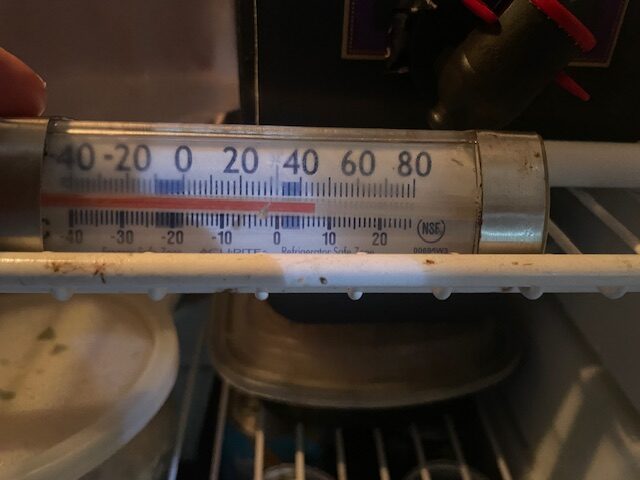
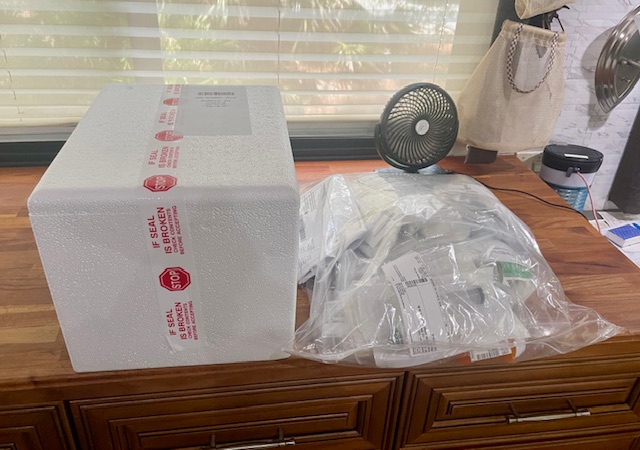
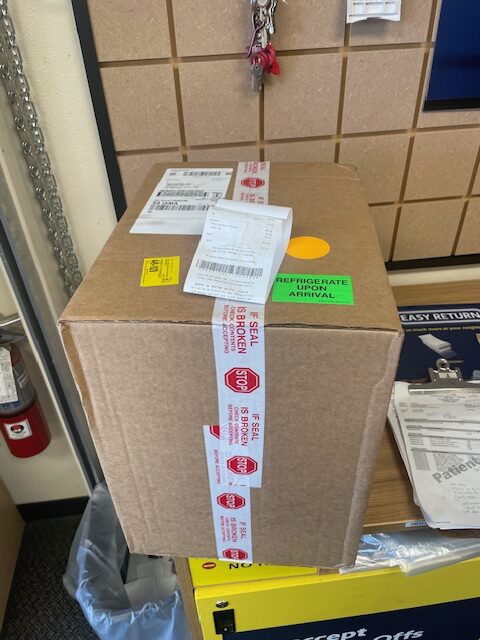
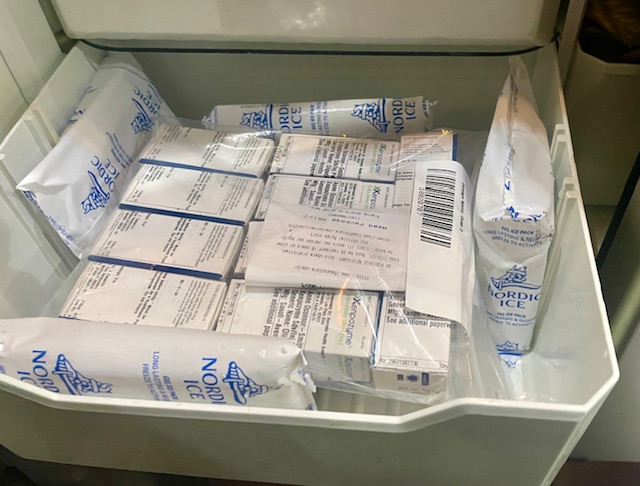
Over the course of six to eight days, Mike made roughly 12-15 phone calls, many with lengthy hold times to coordinate delivery of Anne’s treatment while they were on the road. During the conference, he then stepped away for about two hours to pick up the shipment and safely store it in their RV refrigerator at the required temperature.
All this work was just to coordinate the shipping! Before that, to get a vacation waiver for 3 infusion doses, Anne had countless phone calls with her insurance, Sanofi, specialty pharmacy and prescribing physician!
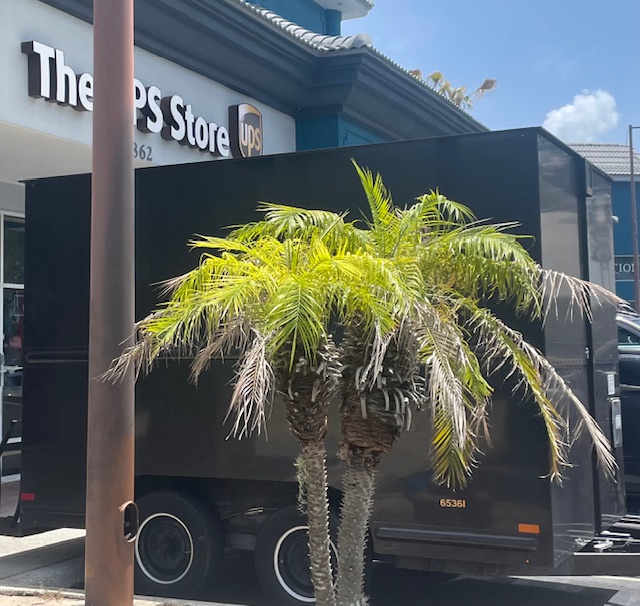
The photos Mike shared tell a part of the ASMD treatment story we don’t often see – carefully packaged medication, ice packs, temperature checks, shipping boxes, and the logistics happening behind the scenes.
Anne has been receiving infusions for 13 years, including the past four years through insurance. As Mike puts it, the inconvenience is minor compared with Anne being able to receive treatment but even after all these years, the process is far from seamless and requires considerable time, coordination, and attention.
For families living with ASMD and other rare diseases, access to treatment can be an extraordinary milestone. So can everything families and caregivers quietly do to make that treatment, and moments like coming together at the NNPDF conference, possible.