
JAMES MOORE
February 28, 2022
Acid Sphingomyelinase Deficiency, Niemann-Pick Disease
Written By Joslyn Crowe
Caring for someone with a rare disease, especially a child or a family member, can be a difficult and emotional experience. Many people become a caregiver due to circumstance rather than by choice and lack any formal training. Even for trained professionals, caring for someone living with a rare disease can come with many unique challenges. In many cases, people living with a rare disease require around the clock care and have limited options available for treatment or specialized medical attention. This can increase the emotional and physical toll that caring for someone can impose on a caregiver.
The National Niemann-Pick Disease Foundation (NNPDF) is the leading national organization focused on support for individuals and families affected by any type of Niemann-Pick disease. In recent years, we have worked to expand our focus on meeting the needs of caregivers who support people living with all types of Niemann-Pick disease, including acid sphingomyelinase deficiency (ASMD). In an effort to identify and work to develop more and more targeted support for caregivers in this community, NNPDF recently completed the first-ever study focused specifically on caregiver burden in the ASMD community. The results highlight a critical need for support that can address both the physical and emotional burden that caregivers can experience.
ASMD, also known as Niemann-Pick disease types A, A/B, and B, is a rare, progressive and often life-threatening lysosomal storage disease that currently has no approved treatment options. The progression of disease can vary widely, with some symptoms more easily managed, while people with more progressive forms of the disease require higher levels of support including help with many routine requirements of daily life. The most severe form is rapidly progressive and fatal.
In the study, we conducted a series of one-on-one interviews with caregivers of people living with ASMD to better understand how the disease affects different aspects of their health and life. Of the participants in the study, 100 percent reported that their efforts to provide care for someone living with ASMD have a negative impact to their emotional and financial well-being. The most frequently reported emotional impacts included depression, stress, frustration and concern that the disease symptoms will continue to progress. Participants also reported that their role as a caregiver has an impact on their finances and their concern about how they will address the often significant costs of care. In many cases respondents reported needing to refinance a mortgage and apply for financial assistance. In addition, 86 percent of caregivers in the study reported that they did not receive any formal training on how to provide support and 71 percent were the sole caretaker of a person living with ASMD.
These results help to quantify many anecdotal examples indicating that ASMD caregivers need more and more targeted support and resources to help manage the emotional and financial burden of their role. At NNPDF, we currently offer a number of resources for ASMD families including a guidebook for caregivers of children with rare diseases, information on comprehensive care centers, grief counselling, an emergency hardship program and information on where to find financial and emotional support in local areas. We also host weekly virtual meetings with our family services team where parents and caretakers can share any challenges they might be having and learn about tools that can help. As we work to consider efforts to expand the support network for caregivers, NNPDF is also working to ensure that the experiences of caregivers is taken into account in industry and regulatory efforts to advance research that can lead to a treatment for ASMD.
Another factor that can affect caregivers is the lack of awareness of ASMD, which remains relatively unknown and not widely understood. The lack of information coupled with limited research and no approved treatments can further exacerbate the burden on caregivers. By continuing to raise awareness of the disease, we can help identify more resources and support services that can make a positive difference for caregivers. There is one bright spot on the horizon that could make a profound difference for caregivers. In July 2022, pharma company Sanofi expects to receive a response from the U.S. Food and Drug Administration (FDA) regarding the application for a potential treatment for ASMD. If approved, this will be the first therapy available for ASMD in the U.S. and a sign of hope for the whole Niemann-Pick disease community.
If you are an ASMD caregiver and you need support, please do not hesitate to reach out to the NNPDF family services team at [email protected]. Know that you are not alone in your struggles. We thank you for all the amazing work you do, and we will continue fighting for resources that can improve the lives of everyone impacted by this disease.
Learn more about the study.
About the author
Joslyn Crowe is the executive director the National Niemann-Pick Disease Foundation (NNPDF), the national patient organization for the Niemann-Pick community. Her work has bridged the nonprofit and pharmaceutical industry realms and includes over 15 years of experience in patient engagement with pharmaceutical companies including Pfizer, Abbott, Novartis, and other on advocacy initiatives and market access strategies.

 For people living with a rare disease, the road to diagnosis can be very difficult. Many patients must live through years of tests and doctor visits before they get the answers they need. This is especially common for people living with acid sphingomyelinase deficiency (ASMD) and the other types of Niemann-Pick disease.
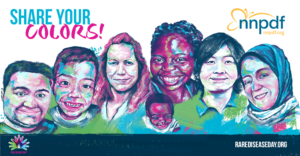 Each year for the past 15 years, the Niemann-Pick disease community has joined with patients, families, healthcare professionals and advocacy organizations around the world to recognize Rare Disease Day (RDD). On the last day of February, we take this special opportunity to show our support for our own community and for the over 300 million people affected by rare diseases. RDD is an opportunity to help more people learn about the impact of rare diseases and call for more research and programs that can make a positive difference. This year’s theme, “Share Your Colors”, reflects one of our core values at NNPDF – our commitment to elevating all of the voices in our community in an effort to build broader awareness of Niemann-Pick disease.
 Dear NNPDF Community,
 Participation is easy!

 NNPDF is now accepting Research Fellowship Applications.
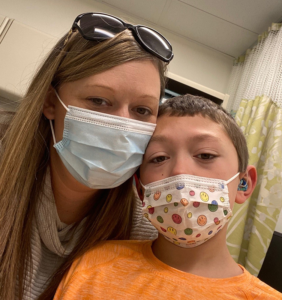
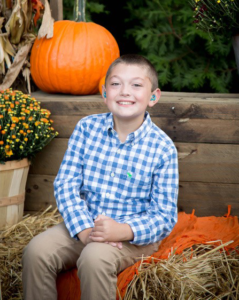
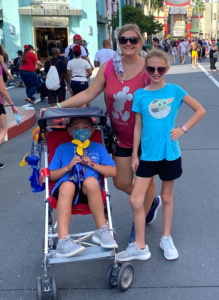
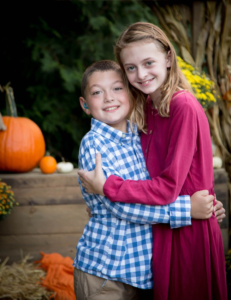
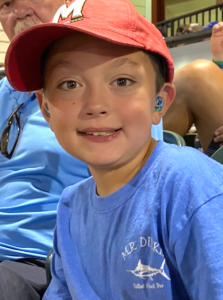 When did you receive Caleb’s diagnosis and what to led to this?

 Update from Mandos Health:
 Contributions through fundraising by NNPDF members, families and friends are used to provide services and information to individuals and families affected by NPD, as well as supporting research into finding treatments. Please continue to host and support NPD fundraisers. Awareness Events promote awareness to the general public about Niemann-Pick Disease.
 THANK YOU

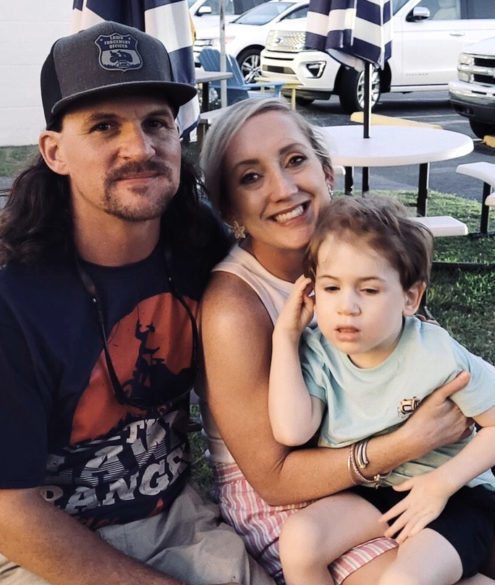 Mom of Linwood, ASMD
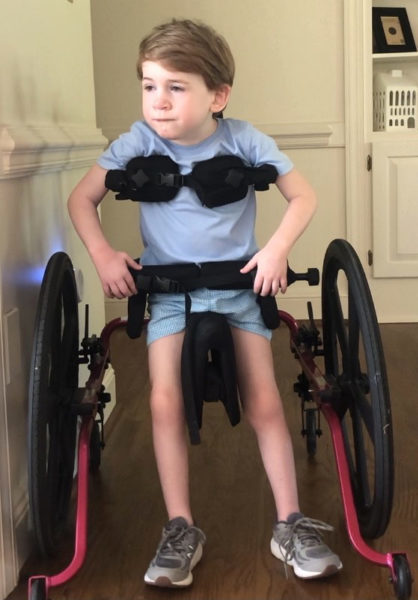 What led to and when did you receive the Niemann-Pick disease diagnosis?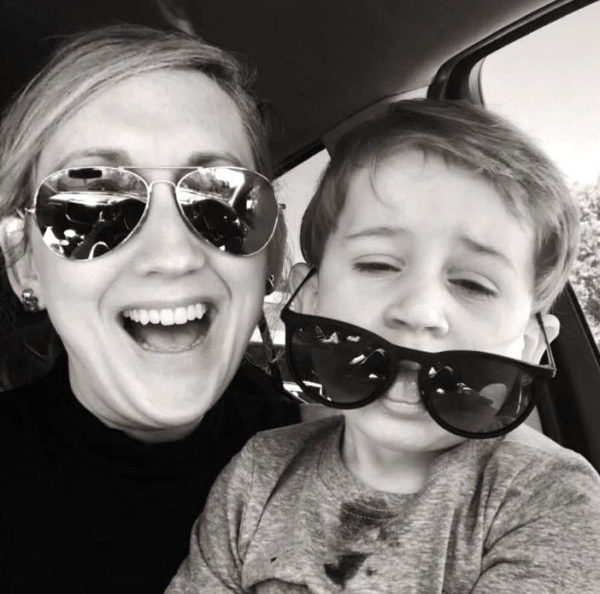

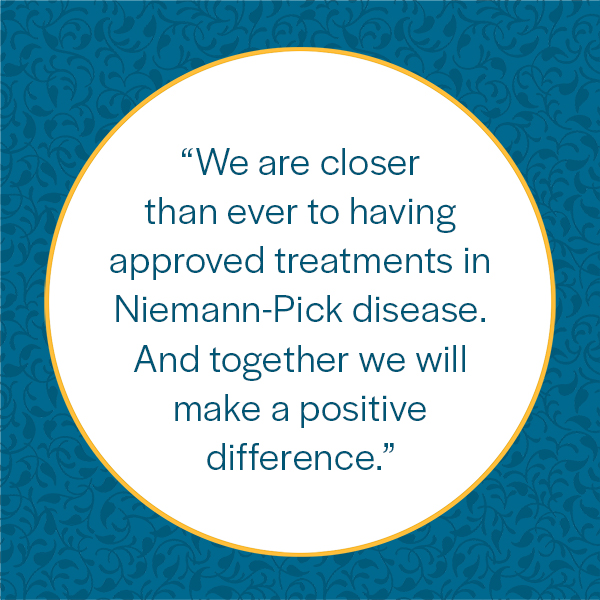 As I look forward to the New Year, I am so encouraged by bravery and resilience of the many families that work with us. I believe our community is stronger than ever. Throughout 2021, we had some signs of progress, and we faced some setbacks when promising clinical development programs and trials were either cancelled or failed to win FDA approval. In response, we saw our community join together to fight even harder to address the issues that are important to us. I am inspired by so many examples of bravery and determination. Dale Carnegie once said, “Most of the important things in the world have been accomplished by people who have kept trying when there seemed to be no hope at all.” Our community is continuing to fight for our families despite our challenges. We are closer than ever to having approved treatments in Niemann-Pick disease. And together we will make a positive difference.
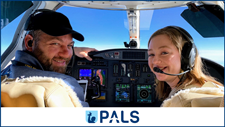 Patient AirLift Services is a nonprofit that arranges free flights for medical patients requiring medical diagnosis, treatment or follow-up who cannot afford or are unable to fly commercially.